
Sump Pump Battery Backup Systems
A B‑Dry sump pump battery backup automatically keeps one of your regular sump pumps running when the power goes out. When power returns, the battery recharges automatically.
The same storm bringing groundwater can also interrupt power
A standard sump pump depends on household electricity. If utility power fails while groundwater is still reaching the sump basin, the primary pump cannot operate.
B‑Dry typically installs two regular sump pumps in the well. One plugs into the inverter and battery. If the power goes out, that pump keeps running automatically. When power returns, the battery recharges.
- Two regular sump pumps—not a separate third battery-only pump
- Automatic inverter changeover during a power interruption
- A regular sump pump powered by the battery during an outage
- Professional installation matched to the sump, inverter and discharge
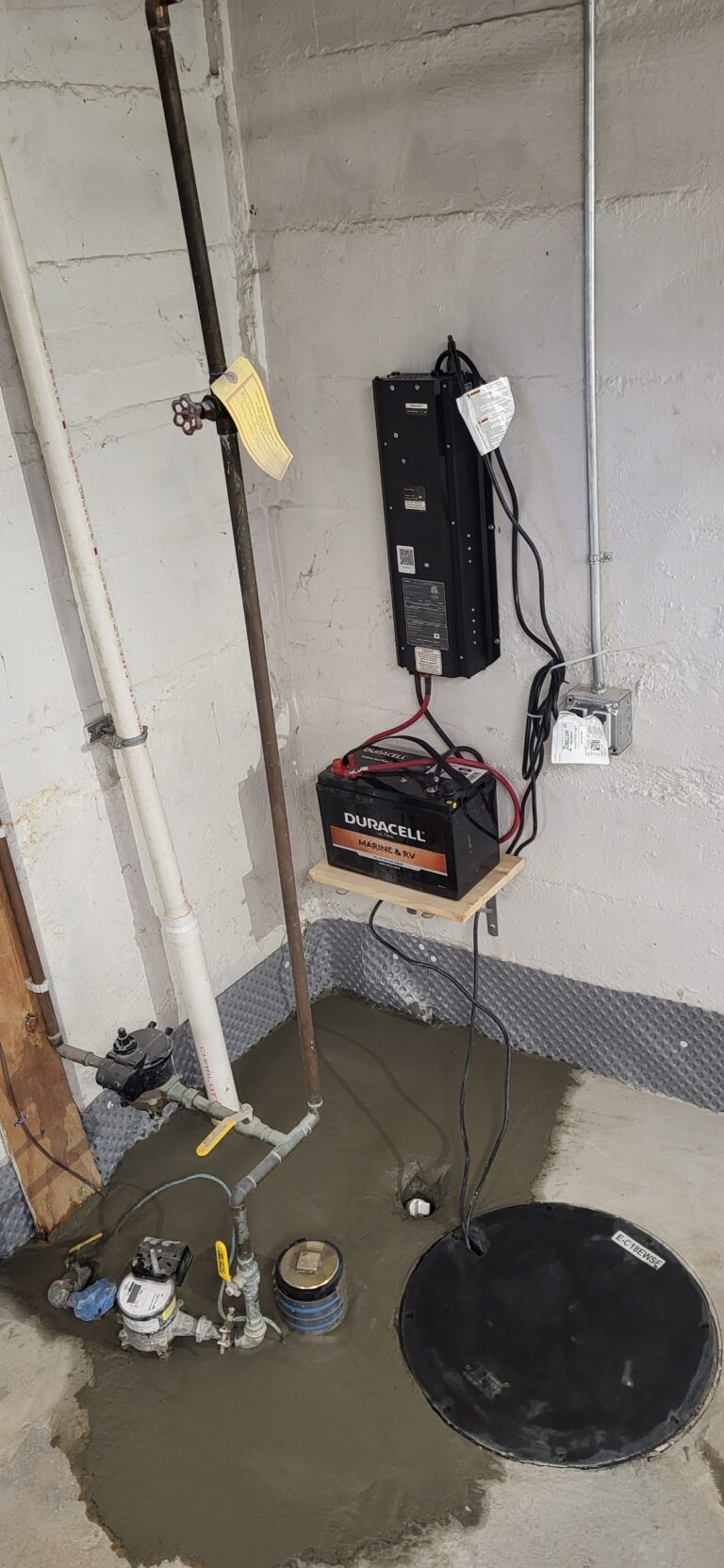
How our sump pump battery backup works
Two regular sump pumps provide everyday pumping capacity, while the inverter and battery keep one of them available during a power outage.
Monitor
The inverter keeps the battery charged while monitoring the household electrical supply.
Switch
If utility power is interrupted, the inverter automatically switches the connected secondary pump to battery power.
Pump
The same regular secondary sump pump continues moving water through the planned discharge route using stored battery power.
Recharge
When household power returns, both pumps are available for normal operation and the battery begins recharging automatically.
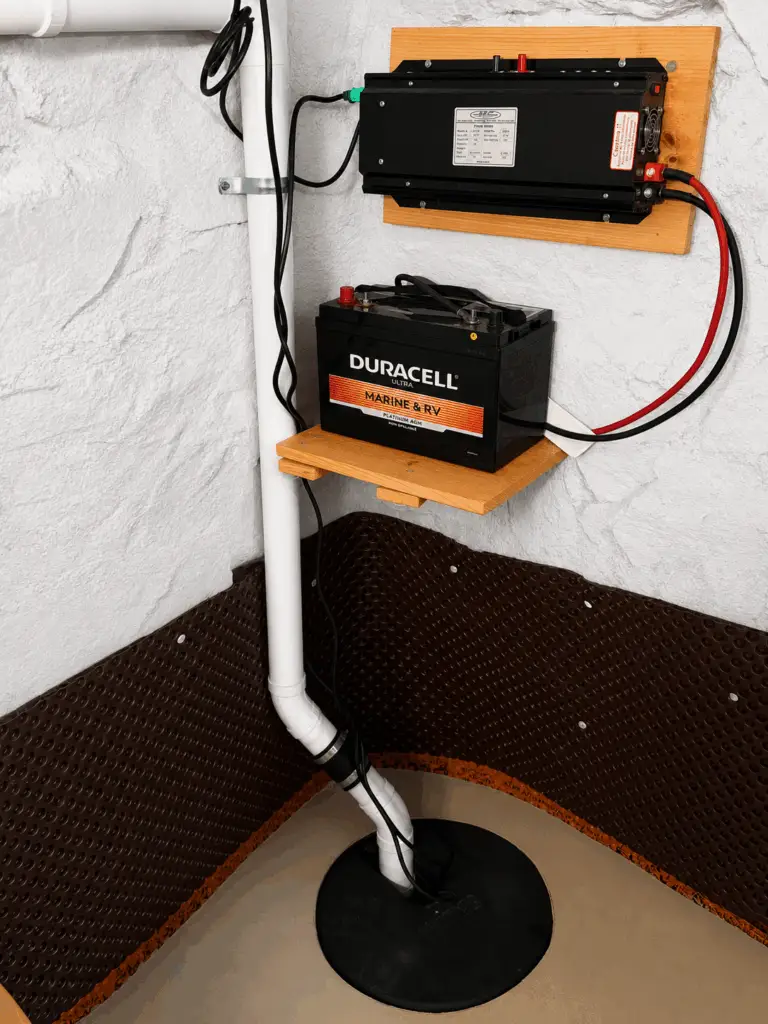
Two regular pumps—with one automatically protected by battery power
Unlike systems that add a smaller pump used only during outages, the B‑Dry setup typically uses two regular sump pumps. One of those pumps is connected to the inverter, allowing it to serve as the normal secondary pump and the battery-powered pump during an outage. A separate third pump is not required.
Runtime cannot be reduced to one universal number. It changes with battery capacity and age, the power requirements of the connected pump, how frequently it cycles, the amount of water entering the basin and the pumping load. We will explain the expected operation without promising a fixed number of hours or days.
Up to three compatible batteries can be connected in parallel. Adding a second or third battery increases available capacity and extends runtime during longer outages.
Important distinction
The inverter and battery do not add a third pump. They provide outage power to one of the two regular pumps in the well. The complete setup still depends on a properly designed drainage system, sump basin and discharge route.
Why homeowners add a sump pump battery backup
A battery backup protects the basement when no one can start a generator right away. When the power is on, both regular pumps can run if one pump cannot keep up with the incoming water.
Frequent power outages
One sump pump switches to battery power automatically, even if the outage starts overnight.
Travel or time away
The system keeps pumping when no one is home to set up a portable generator.
Finished basement protection
Helps protect finished rooms, furniture, stored belongings and the money invested in the basement.
Already have a sump system?
We can evaluate the existing basin, primary pump, discharge and available space to determine whether a battery backup can be added appropriately.
A generator and battery backup solve different problems
An automatic whole-home generator can provide strong outage protection when it starts correctly and powers the sump circuit. A battery backup may still add another layer of protection during the generator’s startup delay, a generator fault, maintenance or fuel-related issue.
A portable generator only helps after someone starts it. If the power goes out overnight—or while no one is home—the sump may be without power for hours. The battery backup switches automatically.
We do not assume every home needs both. We evaluate the existing equipment and explain the practical options.
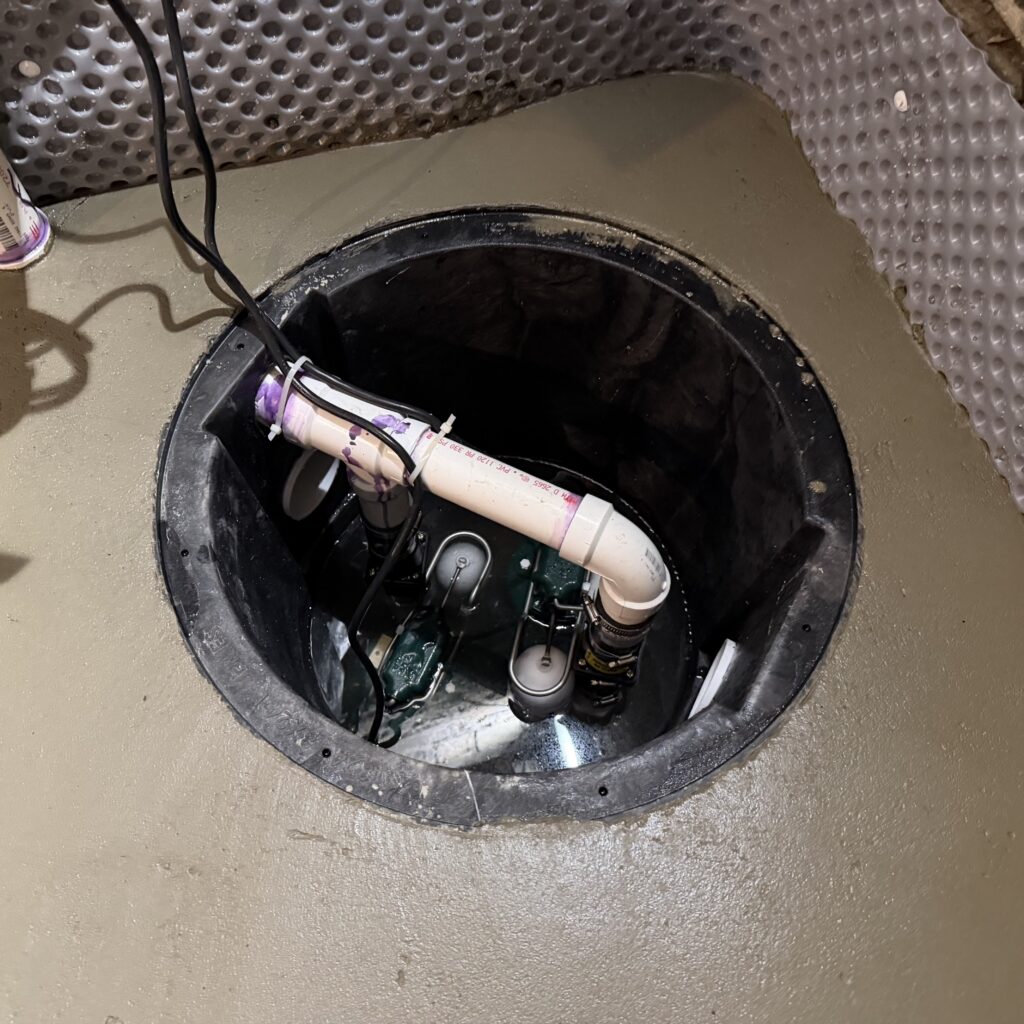
Testing and battery condition matter
A backup system should be checked periodically so problems are found before the next outage.
Battery condition
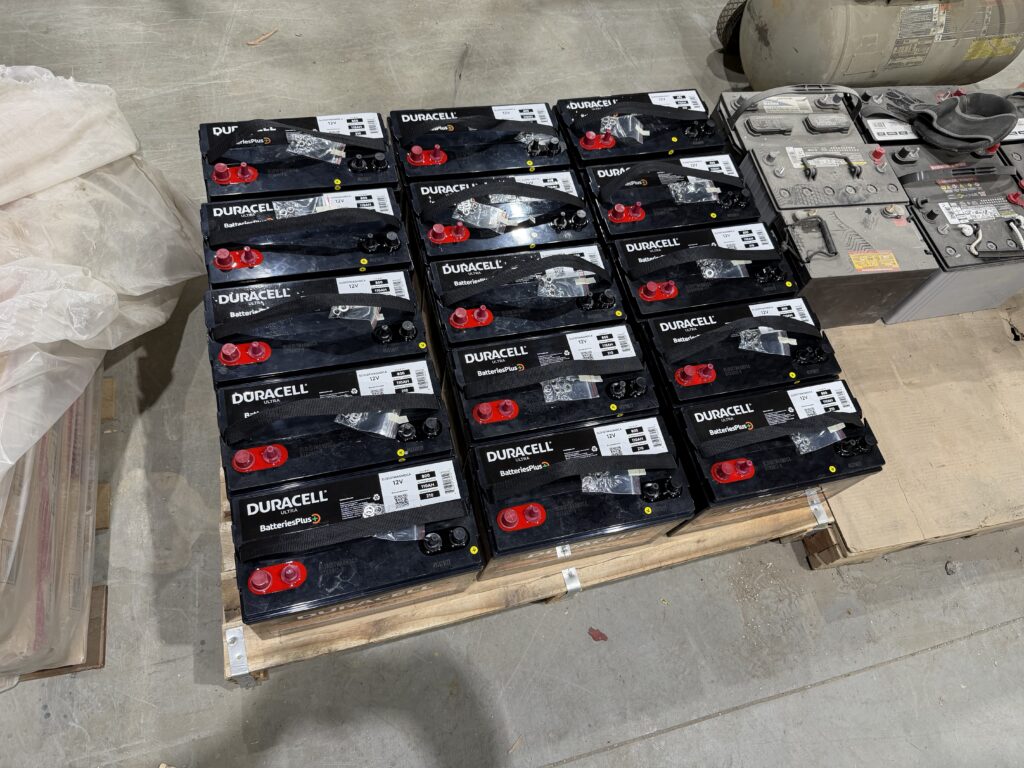
Battery age, charge level, terminals and visible condition affect readiness and should be reviewed according to the manufacturer’s guidance.
Automatic operation
The floats, inverter, alarm, pumps and automatic changeover should be tested to confirm that the system operates as intended.
Complete water path
The basin, check valve and discharge should also be evaluated because backup equipment depends on the rest of the pumping system.
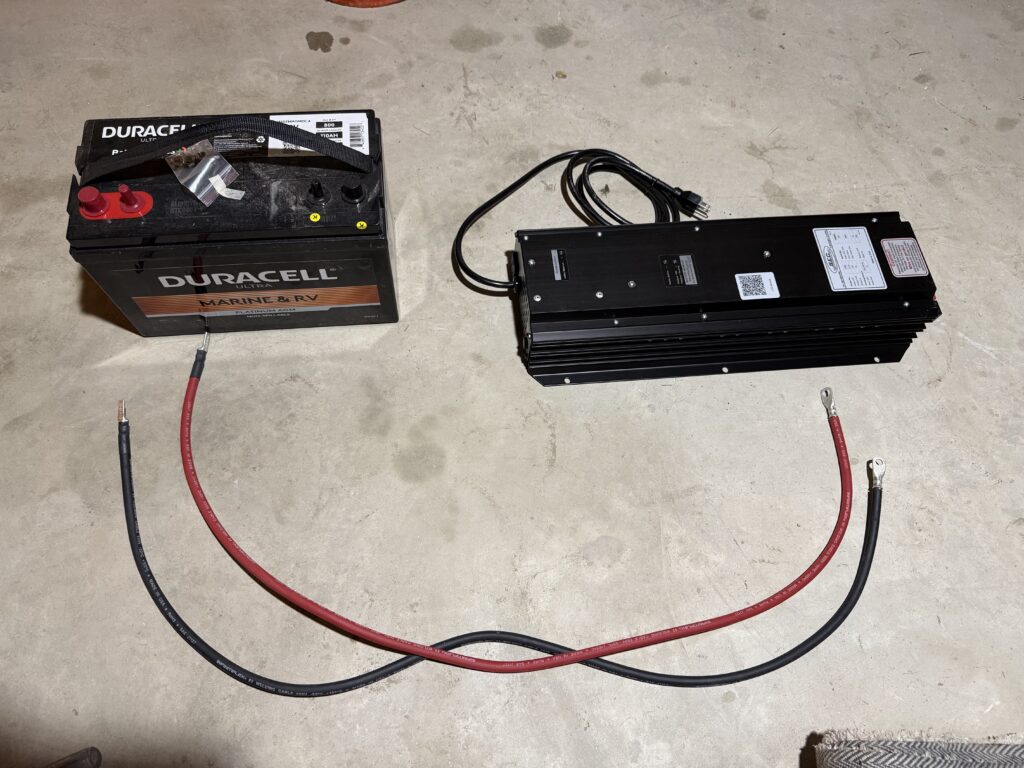
Understand the complete basement water-management plan
French Drain Systems
See how groundwater is collected below the basement floor and directed to the sump basin.
Explore French drains →Sump Pumps
Learn how the primary pump, basin and discharge work together during normal operation.
Explore sump pumps →Installation Process
See how B‑Dry installs the drainage and pumping system inside the basement.
See the installation process →What homeowners ask about battery backups
How long will the inverter-connected pump run during an outage?
Runtime varies with battery capacity and age, the power requirements of the connected regular pump, incoming water volume, discharge conditions and how frequently the pump cycles. We do not promise one fixed runtime for every basement.
Do I need a backup if my primary sump pump is new?
A new primary pump still depends on household electricity. A backup may be appropriate when the risk of an outage, incoming water volume or the value of the basement space justifies additional protection.
Do I need a battery backup if I have a generator?
It depends on the type of generator and the level of redundancy you want. An automatic whole-home generator can power the sump circuit, while a battery backup may cover a startup delay or generator problem. Portable generators require manual setup.
Can both regular sump pumps operate when household power is available?
Yes. With household power available, both regular pumps can operate as conditions require. During an outage, the inverter supplies battery power to the connected secondary pump. We design the float placement and discharge setup for the conditions in the home.
Why doesn’t B‑Dry install a separate third battery-only pump?
Because one of the two regular sump pumps already serves both purposes. It operates as the secondary pump when household power is available, and the inverter automatically powers that same pump from the battery during an outage. This avoids relying on a separate smaller pump used only when the power fails.
Can more than one battery be used?
Yes. The inverter can be configured with up to three compatible batteries connected in parallel. Additional batteries can extend runtime during longer outages. Actual runtime still depends on battery condition, incoming water volume and how often the pump cycles.
How often should the battery be replaced?
Battery life varies by battery type, charging conditions, use and environment. Follow the equipment manufacturer’s guidance and replace a battery that fails testing or shows signs of deterioration.
Will the system tell me when it activates?
Many backup controllers include audible or visible alerts for activation, power loss, battery condition or another system status. Available alerts depend on the selected equipment.
Can a backup be added to my existing sump system?
Often it can, but compatibility is not automatic. We inspect the basin, pump arrangement, discharge, electrical supply and available space before recommending an add-on.
Is the battery backup covered by the lifetime drainage warranty?
No. The transferable lifetime warranty applies to the installed interior French drain portion. Backup equipment carries its own separate warranty.
Add automatic backup protection to your sump system
Schedule a free basement evaluation with B‑Dry. We will review the pumping setup, water conditions and outage risks, then explain whether a battery backup is appropriate for your home.